
Home Improvement Guide · Plumbing
How to Find a Plumber You Can Actually Trust
Quick Answer
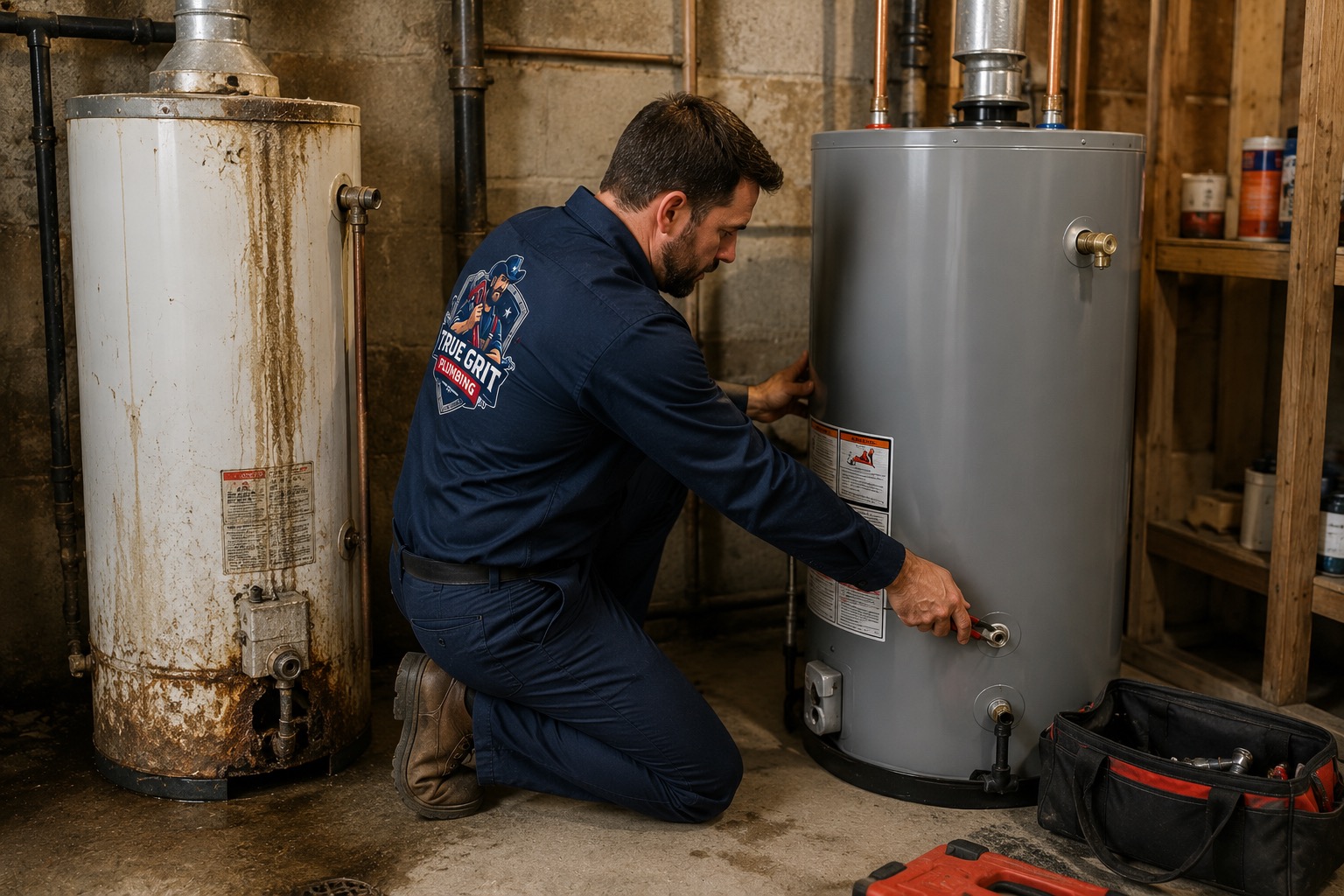
A trustworthy plumber shows up licensed, gives you a price before touching anything, and doesn't manufacture problems to inflate the bill. Look for verified reviews, a local address, and someone who can explain the diagnosis in plain English — not just hand you an invoice.
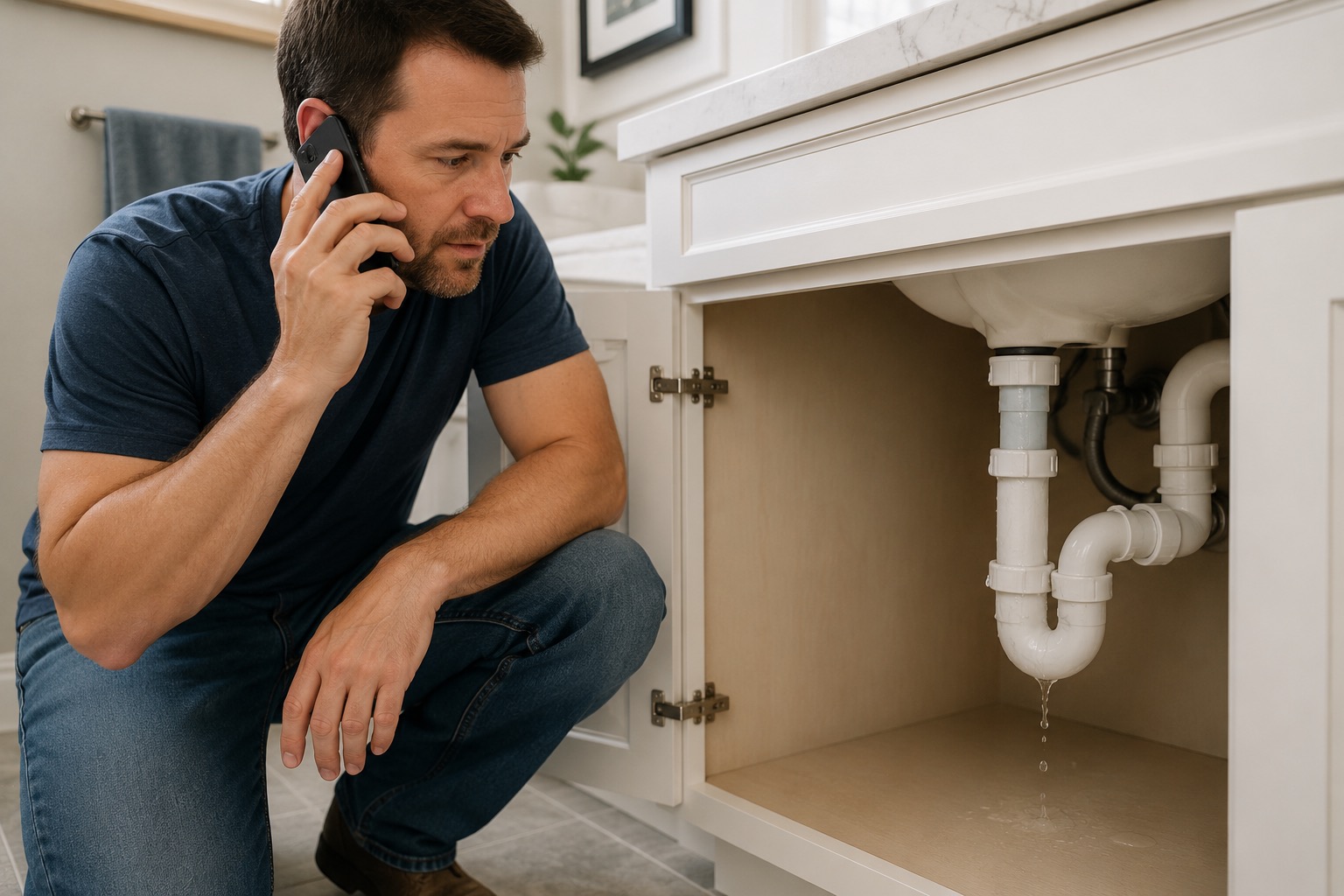
A pipe bursts at 9pm. Your water heater dies on a Tuesday morning in January. Your main line backs up the day before Thanksgiving. In moments like these, most homeowners make the same mistake — they grab their phone, search "plumber near me," and call whoever shows up first. Sometimes that works out fine. Sometimes it doesn't, and the bill for that gamble runs into the hundreds or thousands of dollars.
Finding a plumber you can actually trust isn't complicated, but it does require knowing what to look for before you're in a panic. This guide walks you through exactly what separates a straight-shooting plumber from one who's going to take advantage of the situation.
01 — Verify the License First, Not Last
In Georgia, plumbers are required to hold a state-issued license through the Georgia State Construction Industry Licensing Board. A licensed plumber has passed exams covering code compliance, safety, and trade knowledge. An unlicensed one hasn't — and if something goes wrong with their work, your homeowner's insurance may not cover it.
This sounds obvious, but a significant number of homeowners never verify it. The license number should be on the plumber's website, their invoice, and their vehicle. If you can't find it and they can't produce it when asked, walk away.
You can verify a Georgia plumbing license at the Georgia Secretary of State's license lookup.
"If a plumber can't tell you their license number off the top of their head, that's all the information you need."
02 — Upfront Pricing Is Non-Negotiable
The single biggest complaint homeowners have about plumbers isn't that they're too expensive — it's that the final bill looks nothing like what they expected. This happens when a plumber gives a vague estimate to get in the door and then finds "additional problems" once the work starts.
A trustworthy plumber diagnoses the problem, tells you exactly what it costs to fix, and gets your agreement before picking up a wrench. This is called flat-rate or upfront pricing, and it's the professional standard. If a plumber refuses to give you a price before starting work, that's a serious red flag.
For reference, here's what you should expect to know upfront for common jobs:
- Water heater replacement — full installed cost including haul-away of the old unit
- Drain cleaning — cost per drain, and whether camera inspection is included or extra
- Sewer line repair — scope of work, length of line affected, and whether permits are included
- Gas line repair — parts, labor, and any required pressure testing or inspection fees
- Fixture installation — labor rate and whether you're supplying the fixture or they are
03 — Read Reviews Like a Detective, Not a Consumer
Star ratings are useful but shallow. What matters more is the pattern inside the reviews. A plumber with 200 reviews and a 4.6 rating tells you more than one with 12 reviews and a 5.0 — the volume signals they've been doing this long enough for the picture to be real.
When reading reviews, look for specifics. Does the reviewer mention a technician by name? Do they describe the actual problem and how it was solved? Generic five-star reviews that read like "great service, highly recommend" could have been written by anyone. Detailed reviews that describe a real job are harder to fake and more useful to you.
Also look at how the company responds to negative reviews. A plumber who gets defensive or dismissive in their response will treat you the same way when something goes wrong on your job.
- No response to any negative reviews
- Hostile or blame-shifting responses to complaints
- All reviews from within the last 30 days with no older history
- Reviews that all use similar phrasing or are suspiciously vague
- No reviews mentioning specific services or locations
04 — Local Means Accountable
There's a reason the best plumbers in any market are usually locally owned and operated. A local plumber has something to lose — their reputation in the community they live and work in. A national franchise or a rotating roster of subcontractors doesn't have the same skin in the game.
When you hire a local plumber, you can drive by their shop. You can find them at the same address next year if something goes wrong. They know the specific quirks of your area — in Northwest Georgia, that means understanding how the mineral content in Bartow County water affects water heaters, how clay soil behaves around buried drain lines, and how the older housing stock in communities like Adairsville, Cartersville, and Emerson tends to present common plumbing problems.
A plumber from three counties over doesn't know any of that. A local one who's been doing this work in your area does.
05 — A Good Plumber Explains the Diagnosis
You don't need to understand plumbing to understand what's wrong with your plumbing. A trustworthy plumber explains the problem in plain language — what caused it, what needs to happen to fix it, and what happens if you don't. They don't hide behind jargon or rush through the explanation to get to the invoice.
This matters for two reasons. First, if you understand the problem, you can make an informed decision about how to proceed. Second, a plumber who explains the diagnosis clearly is one who's confident in it. A plumber who can't explain what's wrong, or gives you a vague answer when you ask follow-up questions, may not actually know what they're doing — or may be hoping you don't ask too many questions.
"You should walk away from every plumbing job understanding what broke, why it broke, and exactly what was done to fix it."
06 — Ask About Warranties Before the Work Starts
A plumber who stands behind their work offers a warranty on labor. This isn't just a nice-to-have — it's a signal of confidence. If a plumber isn't willing to guarantee their own workmanship for at least 30 to 90 days, ask yourself why not.
Parts and equipment typically come with manufacturer warranties separate from the labor warranty. When you're getting a water heater replaced or a sewer line repaired, ask specifically: "What's your warranty on the labor?" and "What's the manufacturer warranty on the parts you're installing?" Get both answers in writing before the job starts.
07 — Red Flags That Should End the Conversation
Some warning signs are serious enough that no amount of low pricing or convenient scheduling should override them. If you encounter any of the following, find a different plumber:
- Can't or won't provide a license number when asked
- Asks for full payment upfront before any work is done
- Gives an estimate over the phone without seeing the problem
- Pressure tactics — "I can only hold this price for the next hour"
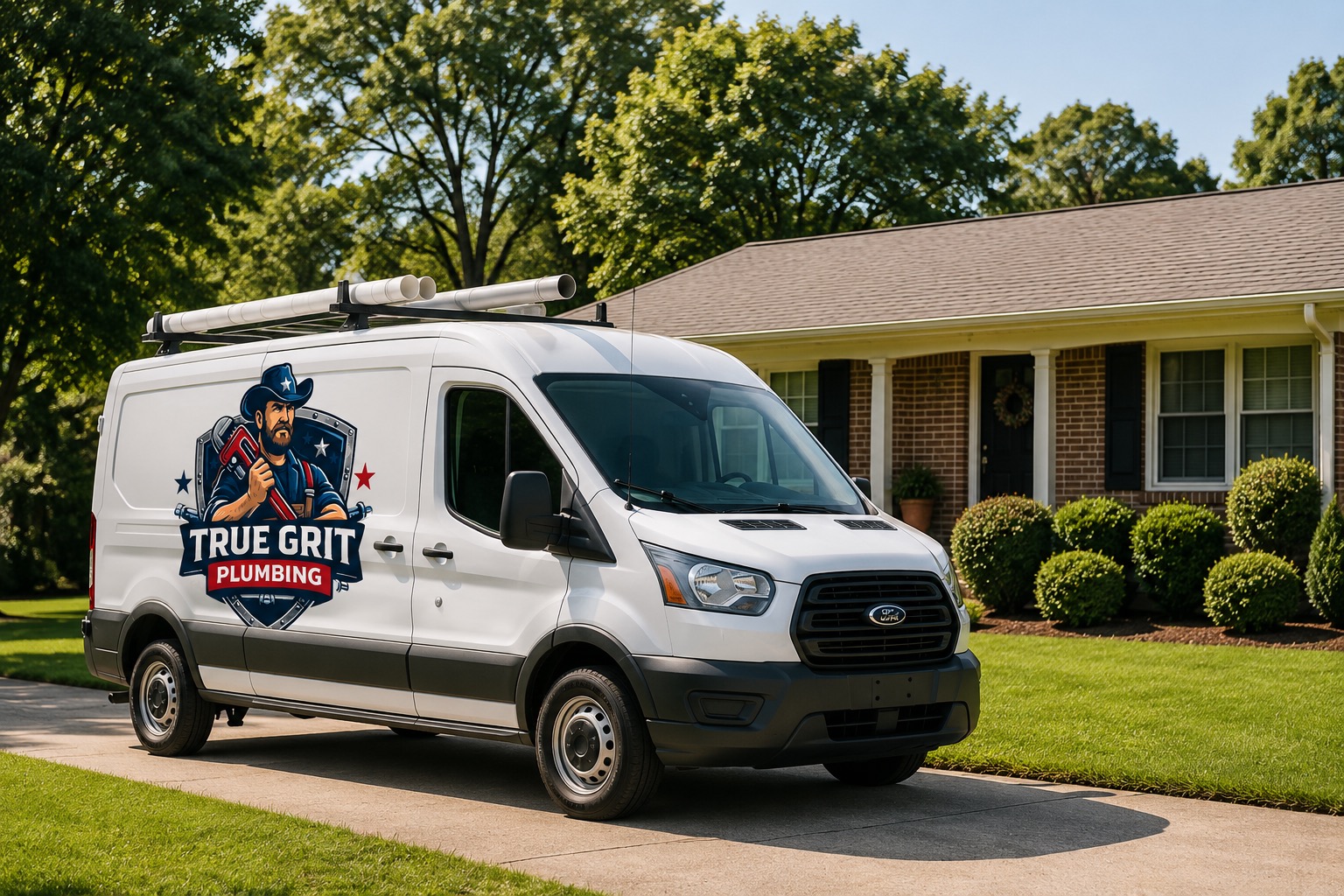
- Arrives in an unmarked vehicle with no company identification
- Discovers a long list of "additional problems" after getting started
- Can't give you a written invoice or receipt
- No physical address — only a phone number or a PO box
True Grit Plumbing · Grit Guard Membership
Stop Scrambling When Something Breaks
Grit Guard members get priority scheduling, a dedicated point of contact, and the peace of mind of knowing exactly who to call — before the emergency happens. $25/month, no contract, cancel anytime. It's the easiest way to always have a plumber you already trust.
Learn About Grit Guard →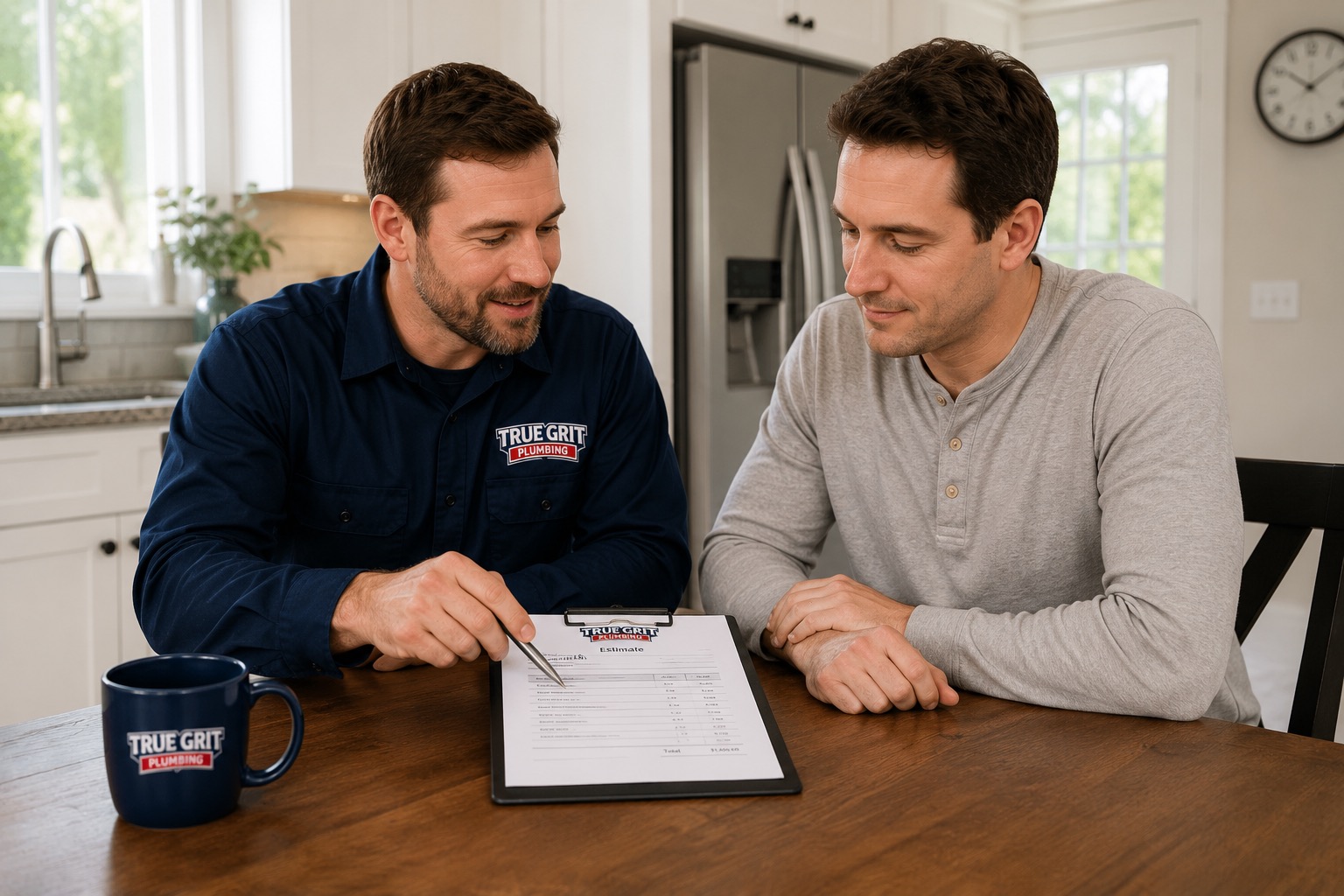
08 — Questions to Ask Before You Hire Anyone
You don't need a long checklist — just a handful of direct questions that separate the professionals from everyone else. Ask these before any work starts:
- Are you licensed in Georgia? Can I have your license number?
- Can you give me a written price before you start?
- What's your warranty on labor?
- Have you done this type of repair in homes like mine?
- Will you be doing the work yourself, or are you subcontracting it?
- What happens if something goes wrong after the job is done?
A plumber who answers all of these clearly and without hesitation is one worth hiring. Evasive answers, vague responses, or irritation at being asked — those are your answers too.
09 — Finding a Plumber in Northwest Georgia Specifically
If you're in Bartow, Cherokee, Cobb, Paulding, Floyd, Gordon, or Polk County, the same principles apply — but there are a few things worth knowing about plumbing in this specific market.
The water in northern Bartow County and Gordon County runs hard, with mineral content that accelerates sediment buildup in water heaters and narrows supply lines faster than homeowners expect. Communities like Adairsville, Cartersville, and Canton have significant concentrations of older housing stock — homes built in the 1960s through 1980s that may still be running on original galvanized supply pipes, clay tile sewer lines, or water heaters well past their service life.
A plumber who knows this area understands these patterns. They're not surprised when a 1975 home in Adairsville has low water pressure from mineral-choked pipes, or when a drain line in Cherokee County keeps backing up because of root intrusion into a joint that's been leaking for a decade. Local knowledge isn't a marketing line — it's a real advantage when diagnosing problems in older homes.
True Grit Plumbing serves all of Northwest Georgia with licensed, upfront-priced plumbing service. See our service areas for Cartersville, Canton, Kennesaw, Marietta, Woodstock, Adairsville, and surrounding cities.
Need a Plumber You Can Actually Trust?
True Grit Plumbing — licensed, upfront pricing, no upsells. Serving Northwest Georgia.
Call 770-847-GRIT Schedule Online